Unknown's avatar

“Oo! Oo! I love, love, love letters!”

sounscsjan13-2

Words of a 4-Year-Old From-the-Field in Colorado Springs

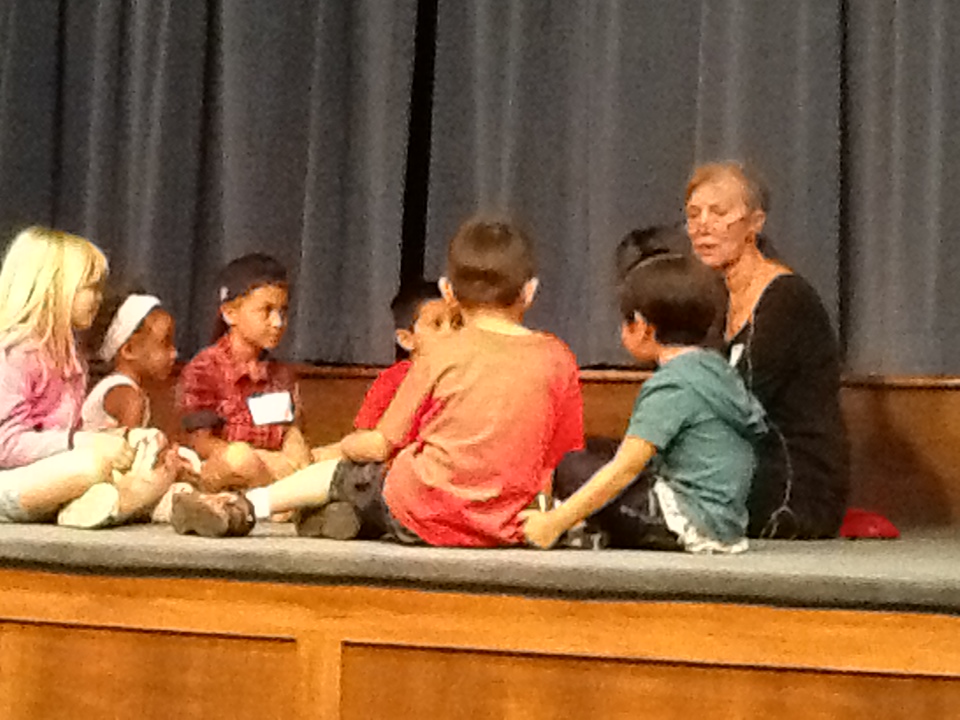
A gift from Rotarian Robby Dale Nelson of Rampart Range Rotary Club of Colorado Springs provided Souns literacy materials to the two GET SET classrooms of preschool children from economically challenged communities in the city of Colorado Springs, CO, USA. Teachers and community volunteers were trained in the implementation of the Souns program – a 2.5 hour session one morning in August. The materials were received for the start of school mid-September 2012.

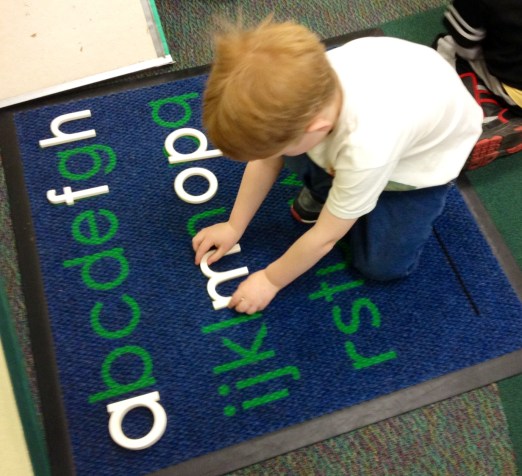
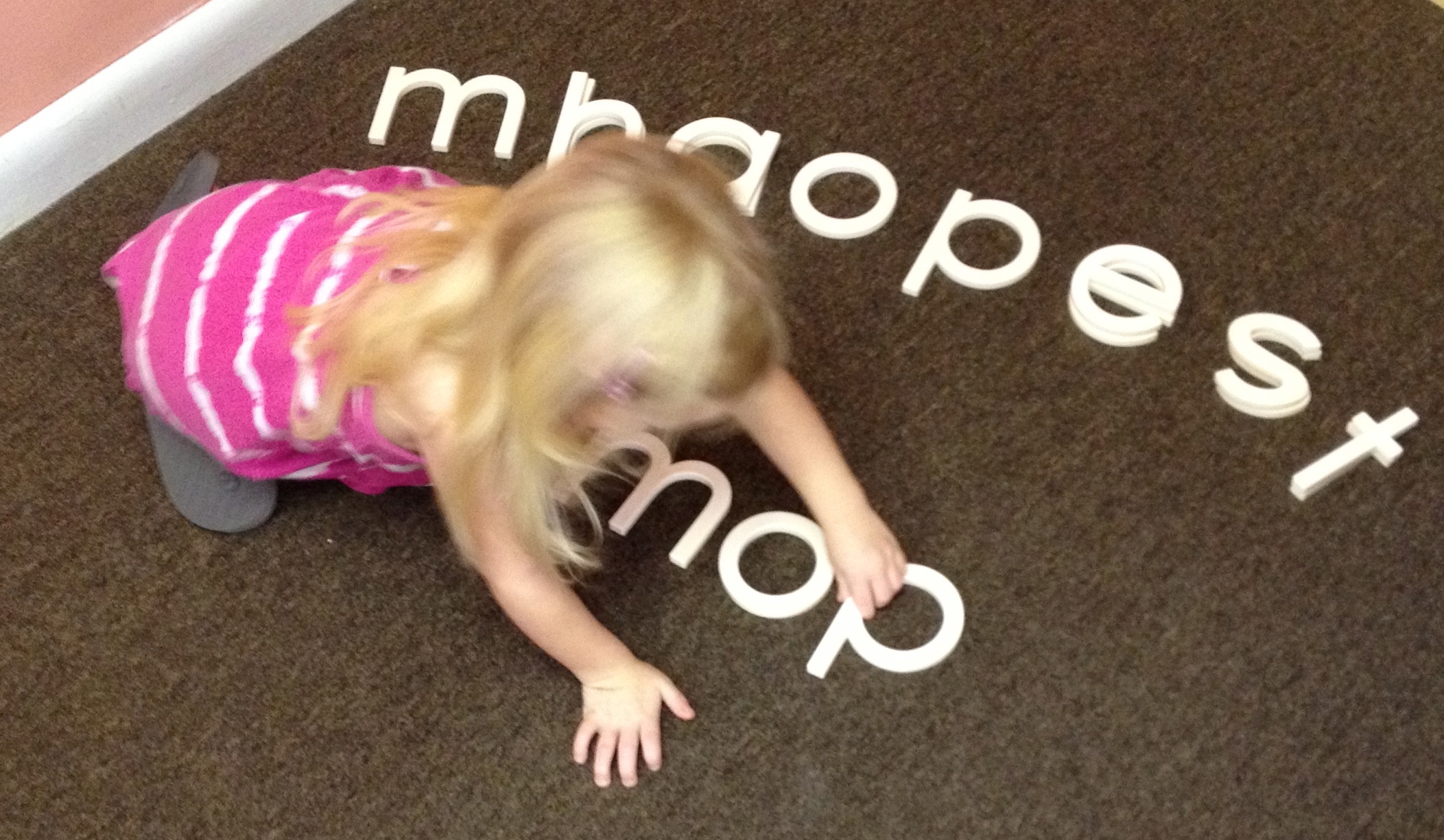
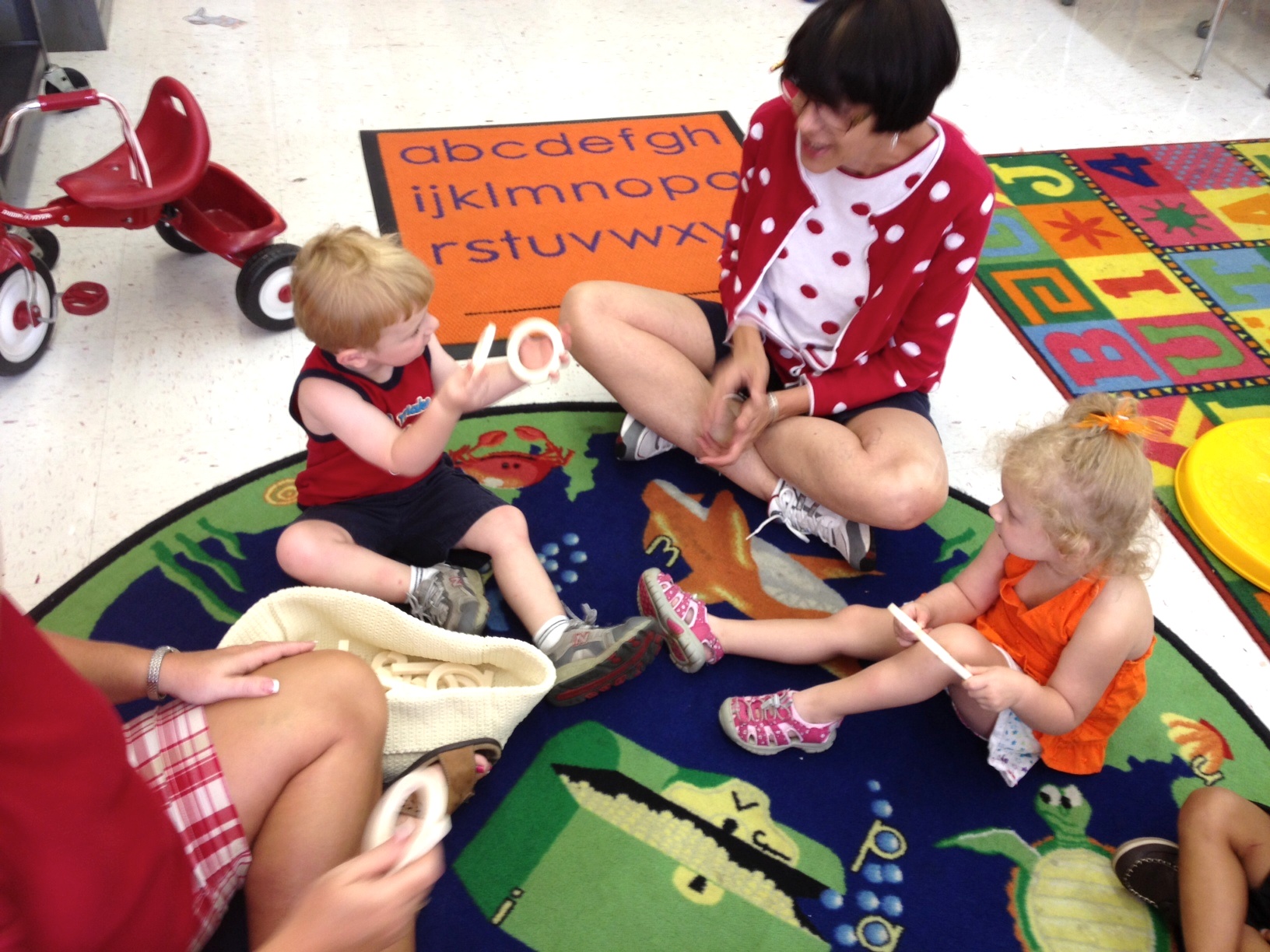
Included are reflections and images  from a follow-up visit and training – again, 2.5 hours – in January 2013. There will be a third visit at the conclusion of the year. The results of the Souns program never cease to astound us. Faces glow as teachers share their successes, confirming their children are really learning to read.  The children take to Souns like air to their lungs, filling up with an understanding of the endless bits of print in the world around them, inaccessible at their age without letter-sound associations. Then the fun begins.

“Learning is more effective when it is an active rather than a passive process” -Euripides (Thank you, Mo!)                                          Mo Weinhardt ‏@ArtofParenthood

sounscsjan13group

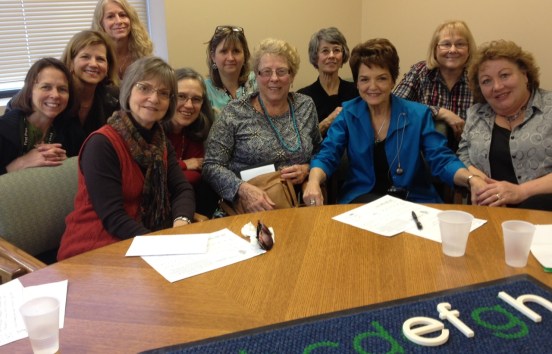
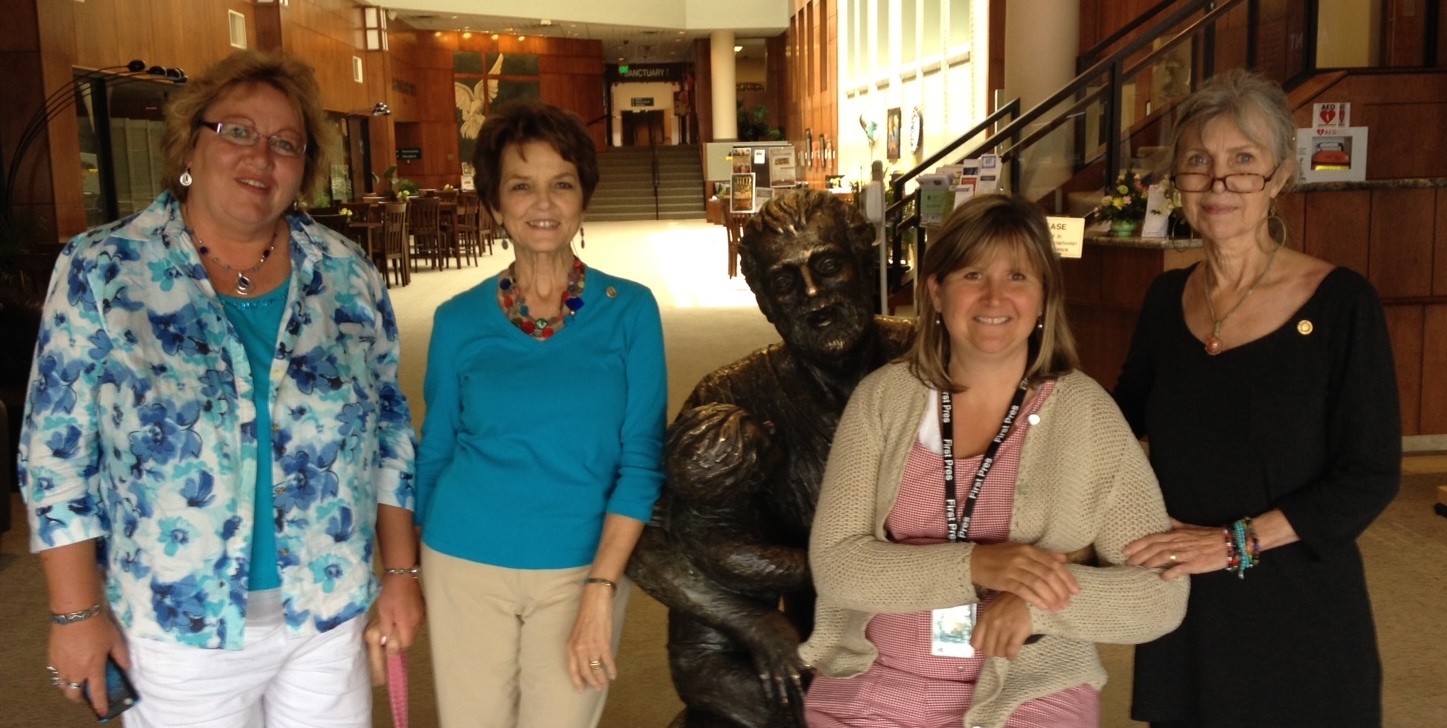
RD 5470 Governor Carla and Rotarian Robby Dale are pictured with teachers and volunteers.

The following are reflections from the teachers and assistant.

From the assistant: Souns is such an amazing tool to put in the hands of these precious  4 year olds. Their intellect grows exponentially as their confidence and joy blossom into life with learning. The light that beams from their eager eyes is an incredible gift to behold. This reading and learning program [Souns] starts them off on a fulfilling life of learning, ready to make their own history.

Teacher one: The children have grasped letter-sounds much more quickly this year through the Souns program. Their retention of the letter-sound associations is better, too. They love learning their sounds, never wanting to miss an opportunity to work with the beautiful pleasing letters of Souns. Being able to hold each letter somehow makes it “theirs” – they have an ownership, a relationship with the letters.

Teacher two: The children came back after Christmas excited to be back at school. We were expecting the kids to have lost some of the knowledge of letter sounds. But we were surprised to see how much the children remembered and how quickly they were learning new sounds. Now we have several children excited about putting letters together to build words. It is so encouraging to see the children’s progress in learning to read. When working in small groups, the kids not included exclaim, “Do I get to do it?” 

See what a 4-year-old can do if he learns letter-sounds through play and exploration.                                                                                Thank you, Rotary!


Unknown's avatar

Rotary Appeal: Children are Waiting!

It began here! Now, progress compels an appeal to the corporate world in South Africa!  

Implementing Sounsbw

The SOUNS programme focuses on pre-school literacy readiness which is the foundation of subsequent academic success. The SOUNS programme was originally introduced in RSA in the Knysna area, but a parallel project started in the Gauteng province in February 2011. This programme has to date reached over 8500 children in 97 crèche and school locations. The success of the programme is illustrated by the speed with which pupils gain letter-sound knowledge, build words, and subsequently, read words. It is also illustrated by the enthusiasm with which teachers and children embrace the programme. This enthusiasm has allowed the RCPE to combine with many partners in expanding the programme. Organisations involved already include The South African Congress for Early Childhood Development, The Khanimamba Training and Resource Centre, many regional crèche forums, The University of Pretoria student outreach programme and the UP Business Unit, The American Peace Corps through their volunteers, and finally, several primary schools with the support of the Gauteng Educational Department. The programme has reached pupils mainly in the Mamelodi area, but many satellite centres in the Limpopo and Kwa- Zulu Natal provinces are springing up.

The original project planned to place sets in150 classroom locations. This project is now reaching conclusion with to date 178 sets in the field. The RCPE is seeking further funds from Rotary International to initiate a phase 2 project that will fund a further 250 sets and reach potentially a cohort of 10 000 pupils per annum.

SOUNS has the potential to make a significant contribution to advance the literacy skills of future South African children country wide. By targeting pre-school children, the skills will then impact throughout the child’s life, cascading on many aspects of learning. Many systems are in place for this to happen.

• The SOUNS programme has repeatedly proved that it is effective. • The communities already exposed to the programme realise its effectiveness and are keen to embrace the programme.

• Pilot programmes have allowed an effective operating procedure to be developed.

• Contacts have been made that will allow a rapid expansion of the programme.

• Support structures to allow this rapid expansion exist but will need to be refined to allow a significant up-scaling of the programme.

Such a programme will have to limit its scope by selecting an area to concentrate its efforts. The benefits that will accrue from such a policy are that educational departments can be introduced to the programme and the early development of literacy skills. It might sound idealistic, but the future was never changed without a vision. The vision here is to give universal opportunity to South African pre-school children to SOUNS so that the future generations of South African children can become literate and enter the formal educational structures equipped to capitalise on the learning experiences that they deserve. The Rotary family seeks a partner in that vision.

THE ROTARY CLUB OF PRETORIA EAST IS BOTH A NONPROFIT ORGANISATION AND A PUBLIC BENEFIT ORGANISATION. THIS WILL ALLOW ANY CORPORATE FUNDER TO UTILISE THE SPONSORSHIP IN THEIR BBBEE AND CSI PROGRAMMES.

To see the entire appeal…please open this pdf file.

CSI appeal jan 12 version-1

Unknown's avatar

One Sheet Fits All

DSC00005Oh, the simplicity of Souns! This is the progress sheet for a classroom or number of students from initial introduction of Souns through decoding. If you are a teacher, a glance at this sheet (if you record data regularly) will give you the information needed to re-group your children according to ability. This should be done often to sustain a dynamic learning environment.

It is important to record information or activities mastered. Souns is such a simple, fun, hands-on way to build little readers – in their time!

The classroom tracking sheet ensures classroom management. Responsible use of this tool is one of the few critical requirements of this program. After each group lesson, record any updates via the legend for each child.

Proper use of this sheet includes following the Souns sequence of letters, even when compelled to do otherwise. This order has been developed with much guidance and has been scrutinized by speech/language pathologists. There is nothing arbitrary or happenstance about the Souns program, including the order of introduction.

ONLY as a sound is mastered may you add one new sound. That means there will not be more than 4 letter-sounds being learned by a child at one time. Do not, however, stop including the sounds mastered by the child in future lessons. In this way, the child will work across the row of the tracking sheet and through the digraphs, starting with o/m/s/t and adding one new sound for each one mastered. Digraphs will be specific to the language being taught.

With this classroom overview, using the same legend as on the individual tracking sheet for each student, you can group and re-group the learners as they progress through letter-sound associations. Children should be re-grouped regularly according to their abilities. This will keep the groups and the entire classroom more dynamic and will cross-fertilize the environment with a variety of letter-sounds.

This classroom tracking sheet helps you re-organize at a glance. Legend:

Not Introduced Yet

Introduced

Knows = Learner can find or touch without error when asked for specific sound.

Mastered = Learner volunteers the sound for a letter without being asked (from print in the classroom or as the letters are being taken out of a container for a lesson).

For each Mastered sound, the child is introduced to the next new sound in the Souns sequence of letters.

Unknown's avatar

One Leap For Literacy

What can eight months do for literacy in a Head Start Center? Combine a furiously determined Center Director and a local Rotary Club and children will read! The Rotary Club of Thomasville, GA, and their local Head Start Center have joined in the work of literacy.

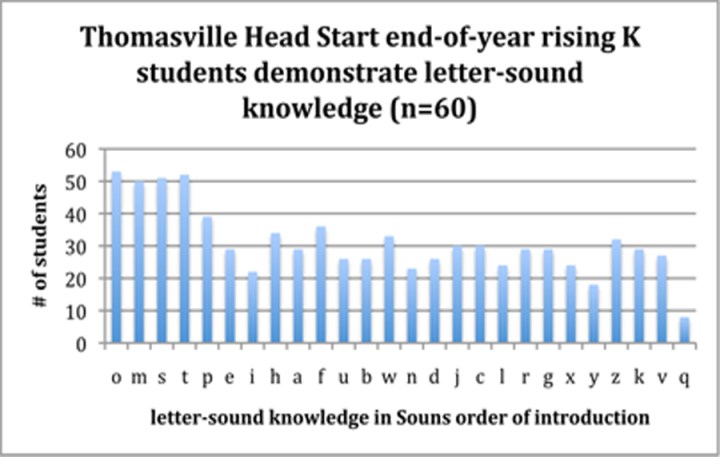
Nine classrooms – including three Early Start classrooms – began training in the Souns program in October of 2011. Several follow-up visits occurred between October and May to observe how the work was going. During the last week of school, each of the students age-appropriate to be graduating into local kindergartens were evaluated to see progress made. The results are below. It is not surprising that they reflected a direct link between those who followed the program and those who did not. The teacher is the magic that makes any program work.

This center has an abundance of remarkable teachers working with their children. After this year’s success, we expect all the teachers will see the value of this simple program for their children. It is understandably difficult to accept a program that is counterintuitive. We have been so steeped in teaching letter-names first, that the idea of teaching letter-sounds first causes resistance. Thanks to those teachers who stepped outside the box in Thomasville, children will read. The results are quite clear. Consider the data at this year’s end, when those little four year olds who are going into their second year with this program are evaluated.

We smile with tears in our eyes at what is happening in southwest Georgia. Determined people working together can make a difference. Thank you, Rotary!

Every – Yes, every – child will read.

Unknown's avatar

“Babies Can’t Wait / Souns” Update 2013


golfclassic13-1

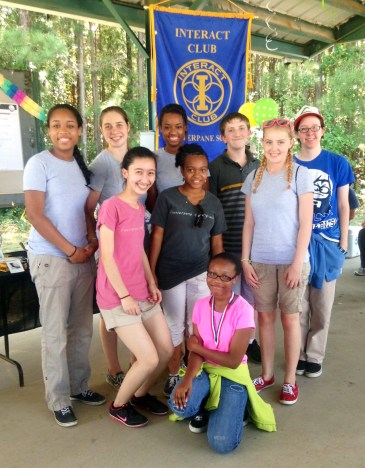
Counterpane Interact Club sponsored by Rotary Club of Peachtree City, GA (D6900) supporting Babies-Can’t Wait 2013!

If your child is enrolled in Georgia’s Babies Can’t Wait program in Fayette or Coweta Counties, he or she is eligible to receive, free-of-charge, certain materials from the Souns for Literacy program. This is being provided through the generous giving of those who support the Counterpane Golf Classic. Counterpane is grateful to our community and for our ability to give to children beyond our walls. Together, we have helped hundreds of Babies Can’t Wait families build literacy through Souns.

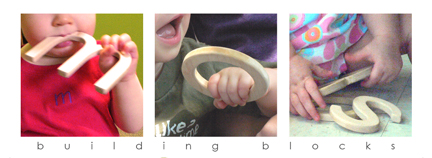
Recent national research in early learning is pointing to the need to expose children under three to the printed symbol, thus combatting our rising problems with childhood literacy in this country. The research also confirms that the method of teaching reading to children that shows significant success is one that exposes children to learning the sounds of the alphabet.  The Souns method works by caregivers giving their child lower-case letter shapes (4 inch, hard, nylon symbols) and using the most common letter sounds instead of the letter names to describe them to the child. The method uses natural learning through play and parent interaction. For a full description and photos please
read the Souns White Paper.

Babies Can’t Wait is committed to helping children achieve their full potential through supporting a family’s capacity to give their children all the opportunities available to them. Providers in the Babies Can’t Wait program in Fayette County are trained in implementing the Souns method of literacy and can guide caregivers through the process while they are enrolled in Babies Can’t Wait. Once the child exits the Babies Can’t Wait program they can still continue to work with Souns materials and receive support through monthly visits to the Peachtree City Public Library, or attending Counterpane School’s free Early Literacy Workshops The only thing requested of the caregivers is open communication about their needs as they implement the program with their child. We realize importance of individualization for families and children.

The image above comes from our archives and reflects when each letter was crafted in wood. We thank United Way of Metropolitan Atlanta for funding molds for Souns. While wood is beautiful, it breaks and is not as easily cleaned as the nylon. Counterpane seeks support for this outreach program. Consider playing in our annual Golf Classic, designed specifically for our literacy outreach locally.

Please consider joining in our extended community to help this cause.

Unknown's avatar

Every – Yes, Every!

I am not suggesting anyone is underestimating a child’s abilities.

The word “every” has provoked what I perceive as a reader to be a toxic response.  Let me explain where I feel the misunderstanding began.

I said I didn’t really care for the word every because I include *Sally in the realm of every.  *Sally is a neighbor of ours.  She is 12 and does not speak purposefully. She is profound on the Autism Spectrum.  When I saw Souns used successfully on video with a young special needs child, I wondered if it would help her.

For a while, I went to her home almost daily, working 5 minutes a day using Souns.  I fumbled my way along, not really knowing what I was doing, but I wanted to see if it helped her.  I cannot imagine having a child who I cannot communicate with.  Her school only has letter names/ capital letters/ etc. on her IEP that she has shown little progress learning.

She learned to say the first 8 sounds using Souns!  Often, she repeated and a few times she offered the sound before I said it.  Her mother came to the training when Brenda was here and I’m hopeful she will continue to work with her.  I did record my voice saying each sound on a sound board since her mother is uncertain of some sounds as Spanish is her native language.

I did not know if I was getting anywhere, but her mother said I was.  She said I did what no speech therapist had done, “get her to say the sounds.”  She had never verbally produced some of these sounds before.  Will she read?  I don’t know.  I will not say no, but if there is a path to literacy for her, this is it. The symbol (Braille especially) drew her into “our” world.  She focused, made more eye contact, sat still, ticked less, etc. Now, if she made this kind of progress in a few months where schools have gotten virtually nowhere in years.  Communication boards did not help her communicate.  She never initiated anything.  Our goal is to get to a place where she can somehow communicate “hot” or “hurt.”  If she can say /h/ /o/ and /t/ maybe we can get to hot.

The point is, I’m not ready to rule *Sally out as a reader.  I prefer to avoid the use of absolutes, but I like Brenda, will not sit in front of a child and assume, that the child will never read.

And if there is a path to get there, it is Souns.  There is a lot of important work being done right now.

Questioning is fine but constructive responses are appreciated.

Perhaps this is where the 95% idea came from.  I’m not certain.  Once you have received Souns Training and sit with a child, you will understand the  potential.   It’s virtually impossible to have the understanding through a computer.

submitted by Della Palacios of  SensAble Learning, LLC

Unknown's avatar

Impromptu Moments!

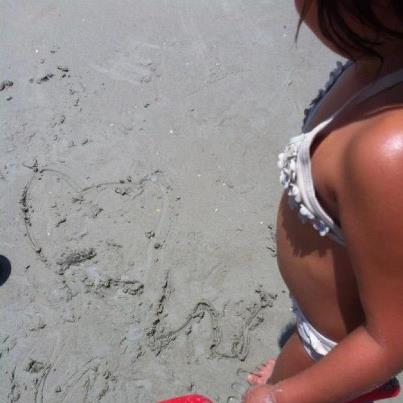
While playing in the sand at the beach, my 4-year-old daughter grabbed me and said,

“Look Mom, I made a sound.”

“Wonderful!  What sound did you make?”

“/w/,” she answered.
It’s the unprompted moments of demonstrated understanding that illustrate
the power of the Souns® for Literacy program.
Thank you,  Della of @sensablelearning in Apopka, Florida, for this entry!
Unknown's avatar

Even Start Family Literacy Program

A school year has spun by so quickly since we began Souns with the Even Start Family Literacy Program in Georgia. Five counties participated, with one center in each. The centers ranged from childcare settings which met daily during the week to centers with once a month visits by families. Almost every site included home visits by Even Start teachers.

From my experience, the people involved in ESFLP are an inspiration and such a positive reflection on the efforts to build literacy in Georgia. Each site is unique in its style and population. I have delighted in the eagerness of a parent watching her four-year-old child demonstrate letter-sound knowledge while she, herself, was on her way to a classroom to study for the GED. She is determined her child will have a head start in school. A home visitor shared the success she was having with a family whose child was not succeeding in school because of reading issues. There are abundant anecdotes of how Souns made a difference for children and their families. One teacher bemoaned the fact that the Even Start Family Literacy Program did not have Souns until this year, saying it would have made a tremendous difference had they had it during previous years.

We also learned about the conditions that make it harder for Souns to succeed. Souns works best when a child has regular exposure to the program. Souns once a month does not give as positive results as Souns being taught each day. Home visits were successful where the family supported the program between visits. Children who miss many days of school are clearly in jeopardy of not progressing as well as their classmates who attend regularly. The teachers voiced this frustration many times, “The program works if the child is here.”

Souns is an early literacy program that teachers love and children love if we can get the teacher, the material, and the children together on a regular basis. An exceptional academic program and great teachers are two critical legs of a stool that will not stand without the third leg – the child, supported by their family. The issues that challenge families who qualify for Georgia’s Even Start Family Literacy Program are clearly issues that are not easily remedied by the best of intentions or the greatest of programs and teachers. We must find a way to intercept families earlier and in incidental ways that adapt to the needs and schedules of very determined parents with complicated daily lives. How can we reach the most predictable teacher for a child  – the parent – with the right information to build literacy at home? This hope I gained from this year. That is our goal, and I thank the Even Start Family Literacy Program for giving us such a clear direction for helping children. Every parent wants their child to read!

Unknown's avatar

Souns/Peace Corps – Seeds Sprouting!

 Souns Approach to Learning Phonetic Sounds without Souns symbols.

This is the Souns program through the words of one Peace Corps volunteer as he is helping teachers around him build a more literate world for children in South Africa. He is introducing the Souns program across environments. Children will read in South Africa thanks to the collaborative effort of  the Peace Corps and Rotary Districts 9400/6900.


I.  Introduction

Children often have a difficulty with reading because they learn words through rote memory of high frequency words.  These children have difficulties when coming across unfamiliar words.  If children are exposed to individual phonetic sounds at an early age, such as the cretche age, they will be a more balanced reader, able to read with fluency and decode.

II.  An Approach

There is a program called Souns that utilizes hard plastic representations of phonetic sounds and a progression of phonetic sounds that allows a young child to learn high frequency sounds first.  The progression is as follows:

o  m  s  t  p  e  i  h  a  f  u  b  w  n  d  j  l  c  r  g

Learners are introduced to the first four sounds “o  m  s  t.”  Groups can be from 1-8 learners.  The preferred method is to be seated on the floor.  The teacher has the four sounds in a bag and pulls out one sound (the plastic representation of the sound) and says “o.”  The learners will repeat “o.”  Then the teacher goes from learner to learner, saying “o” and allowing each learner to touch and hold the sound.  After all learners have touched and said the “o” sound, lay the sound on the ground and repeat with “m” and then the rest of the four sounds.

After all 4 sounds have been introduced and laid on the ground in from of the learners, repeat the sound and give one to each child.  Now that each child is holding a sound, ask, “Can I have the “o”?”  The child with “o” will hand you the “o” and you will place the sound back in the bag.  Say “thank you” and ask for the “m” and so on until all the letters are in the bag.  Give each child a “high five” and say “thank you”.

III.  Notes on the Approach

Each session should last less than 15 minutes and done only once a day.  The sessions should focus on being fun and not dispensing of knowledge.

A teacher should never say “no.”  If a learner says a sound incorrectly, such as “o” when the sound is “m”, say, “This is “m,”” and continue with the session.  If a learner points at a sound, such as “m”, and says it incorrectly, say, “This is “m,”” and allow the child a chance to say it correctly.  If they continue to struggle, say “Good job,” make a note, and continue with the session.

It is important that each sound is not drawn out too much.  If the learners are learning “t”, make sure the learners say “t” once and not “t, t, t, t”.  If they are learning “s,” make sure they say “sss” and not “sss, sss, sss”.  This is because the child will soon be reading and they need to learn how the sound sounds naturally when read.

Never add vowel sounds to the end of consonant sounds.  If teaching “s”, it is never “sa” or “se” or “si”, it is “sss” and only “sss”.  This will help the child break words down and be able to learn other languages that do not follow the Bantu word formation of every syllable ending in a vowel.  “sa”, “se”, “si”, “so”, “su” is a helpful approach for reading intervention and can be done at a later stage, but it is not beneficial when a child is first learning phonetic sounds.

When showing the learners a sound, be sure to display the sound in a way that it is proper for the child viewing it.  This way they do not confuse the sound.  This is especially imperative when doing b, d, p, and q.

IV.  An Amended Approach for LEAP 5 and Local Cretche

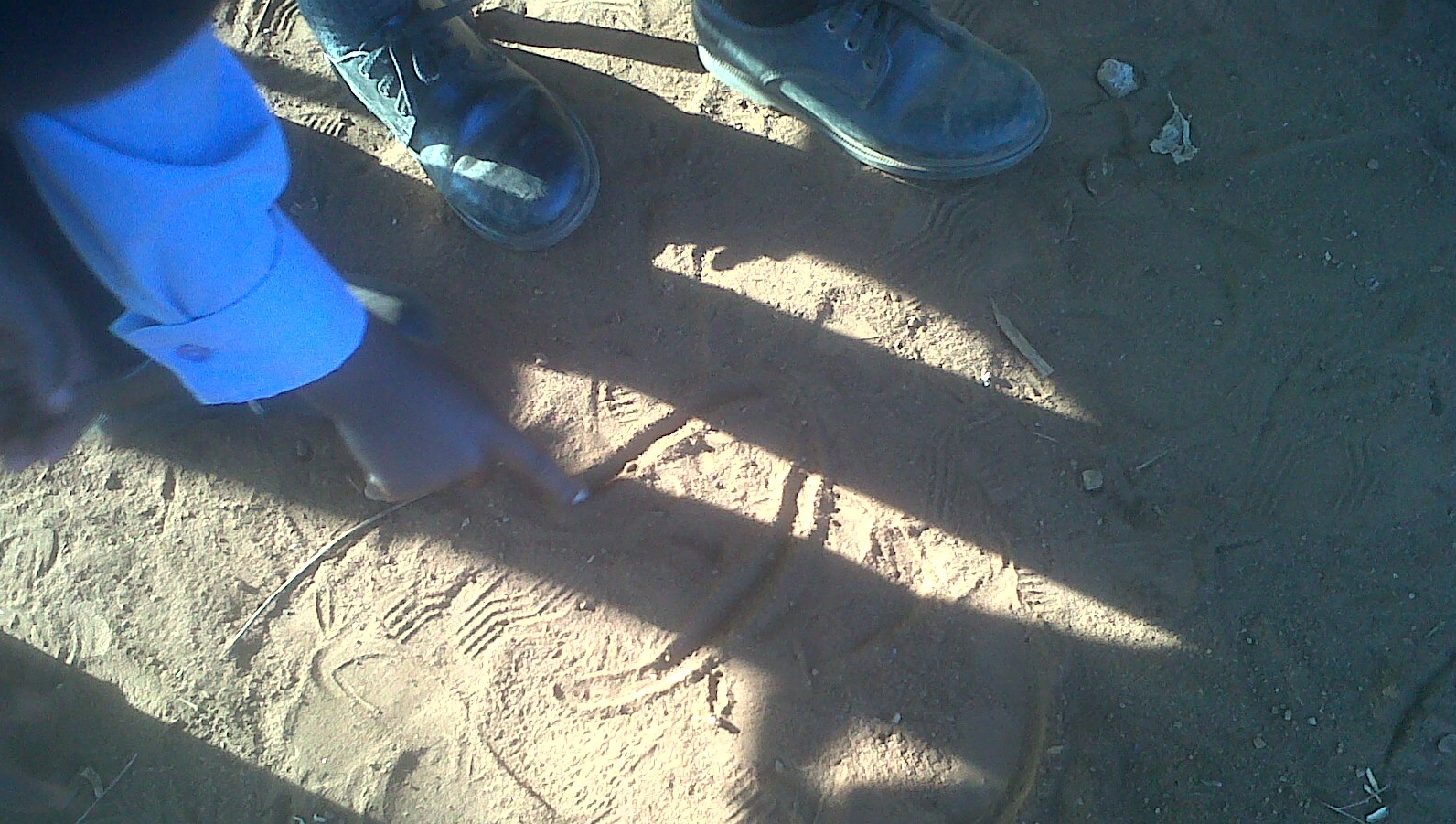
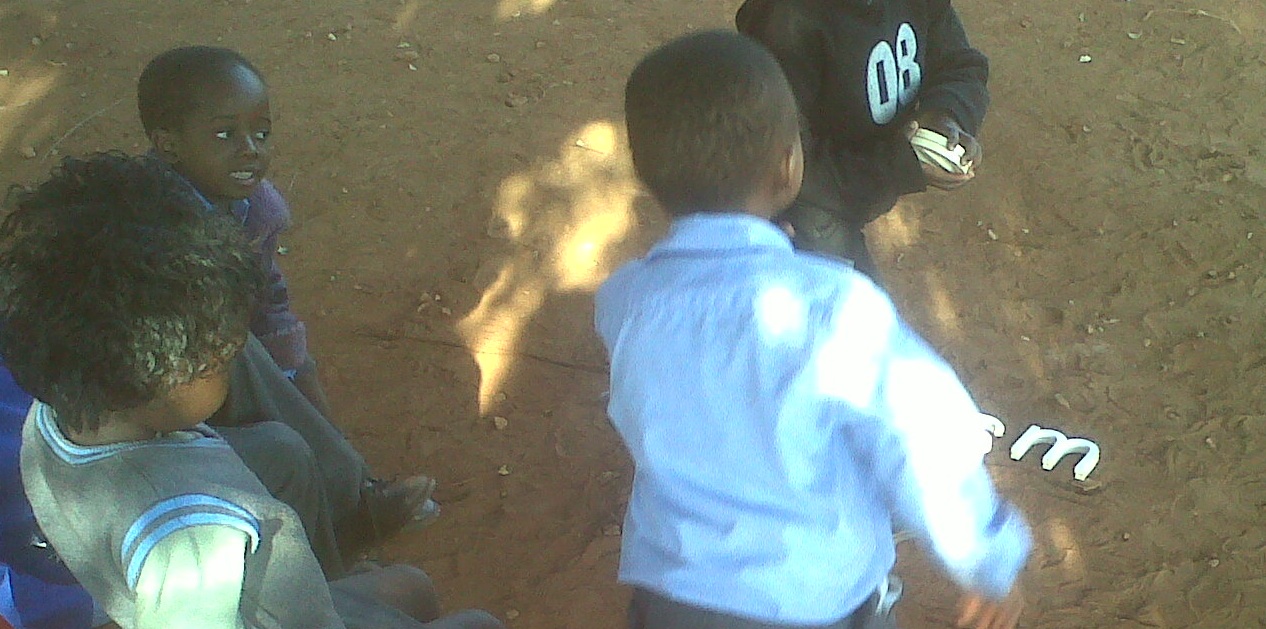
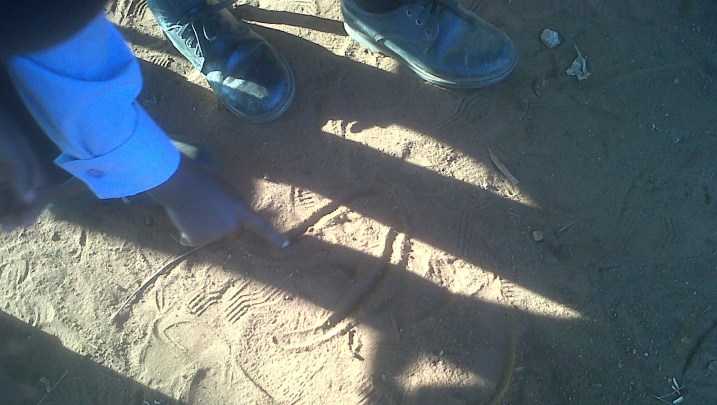
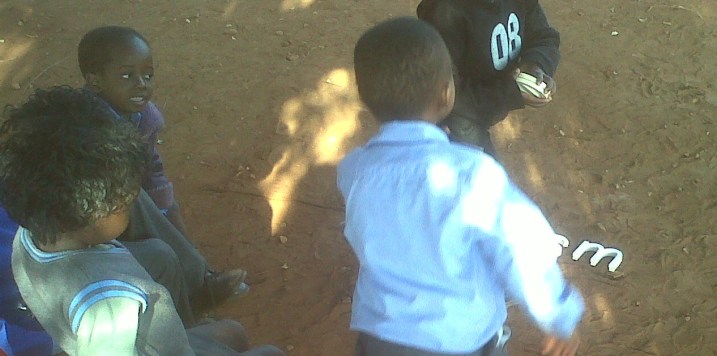
Working with the plastic representations can be substituted by drawing with a stick in the dirt.

Each LEAP learner could work with a group of 4 or less.  I suggest 4 or less so the cretche learners receive equal exposure.  You can adjust this if need be, of course.  Here is a suggested process:

1.  The LEAP learner will take their group and a stick to their designated spot in the yard.  In this case, they will sit down in a line with students beside the teacher. Greet each student, ask a simple question, and say something to get them excited, such as, “Ready to have some fun?!”  Be sure the learners can each see the patch of dirt in front of them and the LEAP learner.

2.  They will go through the introduction process, as mentioned above, but instead of displaying a plastic representation of the sound, the teacher will slowly write the sound in the dirt in front of the learners.  Form the letter slowly, so the child is able to watch how the letter is formed.

3.  The LEAP will point to the representation of the sound drawn in the dirt and say it to each learner.  After saying it to one learner, allow the learner to attempt drawing the sound in the dirt also.  As noted under “Notes on the Approach,” be sure to not say “no”.  Just allow the learner to try their best and move along, keeping their excitement high.

4.  By the end, you should have 4 sounds drawn in the dirt, facing the learners.  Go through each sound saying, “Can someone touch the “o”?” and then erase after choosing one child to touch it and then move to the “m” and so on until all sounds are erased.

5.  Give each learner a sign of congratulation such as a “high five” and end the session.

V.  Resources

Please visit souns.org and read more about souns.  Then go to souns Resources on the left hand column.  Once on the souns Resources page, click on the souns Tracking Sheet and start one tracking sheet for each cretche learner that is kept track of by their LEAP learner.

                   *Mastered, shading in the whole box, should be filled in only when you draw the sound in the
dirt, and without any prompting or prior teaching that day, the individual cretche learner say the
correct sound.

VI.  Activities to Add to the Approach

If learners are having difficulties with sounds, it often helps to change your approach.  Here are a few suggestions to make learning even more fun:

1.  Get a marker or pen and lightly write the sound on the hand of each learner.  Be sure to write the same letter on the same part of the palm.  This will allow you to write four sounds (2 on top of each hand and two on the bottom of each hand).  Be sure to sit behind the learner and slowly write the sound, allowing them to see how the sound is formed.  After this, you can ask them to match their sound to their friends’ same sound.  It is a fun way for them to take their learning home and show their parents what they learned that day at school.

2.  As a review, draw each sound apart from each other in the yard.  Say a sound and have the group run to each sound, look at it, and shout it out.  This is a good way to get them excited about the sound and can even be done individually as a way of review.  Be sure to demonstrate first.

3.  Get large representations of sounds already learned and spread them out in your learning area.  Ask learners to find the different sounds on the paper and/or have them show you the sounds.  This will be a pivotal step in their understanding of how sounds connect to the world they live in.

4.  Once learners attain the first 8 sounds, it is a good time to create some words.  From the first 9 sounds, in Tshivenda, you can say the words mme, ita, sita, sema, and many more that I don’t know.  Say the word normally and then say it slowly, making sure the learner hears each individual sound.  Ask the learner what that word means and if you have a physical representation of the word, show it to the learners.  Allow the learner then to do say the word normally and then slowly.  Say it again together, pointing out the first sound, and then you or, if able, the child writes the sound in the dirt.  Do the same for the next sound.  When the entire word is written, sound out each sound and then say the word again normally.  Congratulate the learner and tell them they built a word.  This will be a big step for the learner and should be used only with sounds mastered.

VII.  Final Note

This is an easy concept that will be great for the LEAP learners to share with the cretche learners.  It will be most beneficial when mixed with reading of stories, singing of songs, and playing of games.

© 2012 by SounsⓇ All rights reserved. No part of this document may be reproduced or transmitted in any form or by any means, electronic, mechanical, photocopying, recording, or otherwise, without prior written permission of Souns.
Unknown's avatar

Souns in “luv” with Colorado Springs!

What an energetic and committed group of literacy minded folks are to be found in Colorado Springs. We trained teachers and volunteers and presented Souns for three days. I had little time to catch my breath, and that was not a result of the altitude. The beauty of the natural environment is only matched by the drive for every child to read in that bustling community. I applaud my new friends and the birthing possibilities for literacy through such a powerhouse of community support.

A fellow Rotarian determined to pave a road for literacy in Colorado Springs says:

What a delight it was to host Brenda Erickson on her great first visit to Colorado Springs, CO! She came to train and inform about thirty volunteers of the “GET SET!” program at First Pres Church. “GET SET!” provides one year of school to thirty-four youngsters from economically-challenged families of our inner-city area, preparing them for the following year of kindergarten. The teachers see SOUNS as an excellent opportunity to enhance the reading readiness of the two “Get Set” classes.

Brenda also presented SOUNS to our Rotary club, to the Director of our Public Library’s program for infants, toddlers, and young children, and was invited to present SOUNS to a meeting of a large ‘Alliance for Literacy’ group. Great groundwork was laid, and a solid foundation awaits Brenda’s future returns to our city/county area of about 650,000 people, scheduled for sometime in August or September.

I must say that we had great fun in these three days of connecting with other folks who are passionate about literacy! —Robbydale and Minor, June 6, 2012

Thank you all for making this trip so worthwhile. Every – YES, EVERY – child will read!